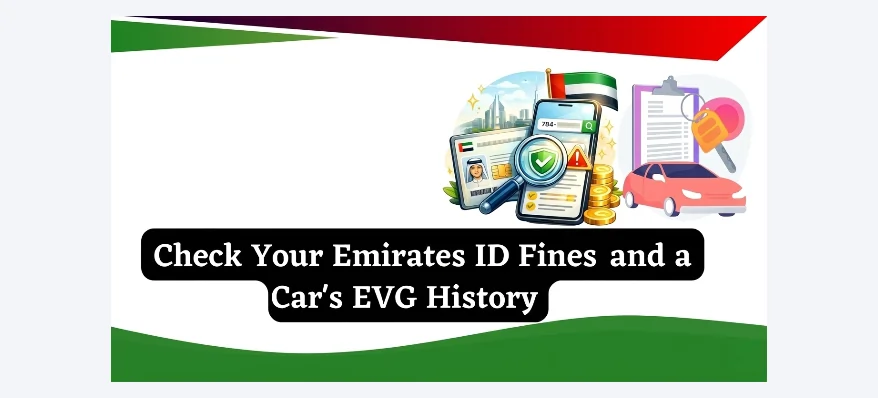
How to Check Your Emirates ID Fines and a Car’s EVG History in 2026?
Buying a used car in the UAE is an exciting milestone, but the digital landscape of 2026 requires a smart approach. You are no longer just buying a machine; you are inheriting a digital record. If you don’t perform the right checks, you could end up responsible for thousands of dirhams in penalties or find your car locked by a “smart impound” tracker.
To protect yourself, you must look at two things: the person selling the car and the car itself. By checking the seller’s Emirates ID records and the vehicle’s history on the Emirates Vehicle Gate (EVG), you can spot red flags before you hand over any cash.
Understanding the Emirates ID Fine System
The Emirates ID is the foundation of your life in the UAE. This system links your residency status, your bank account, and your traffic file directly. By checking Emirates ID fine records, you are essentially verifying the legal and financial standing of the person you are dealing with. In 2026, these records are updated in real time by AI systems.
Personal vs Traffic Penalties
In the UAE, the official system breaks down traffic fines into three separate types. This helps them keep a clear record of different types of legal compliance across the board.
- Personal Fines: These are attached to the individual rather than a vehicle. You will see things like municipal violations here, such as jaywalking, littering, or even those old Emirates ID COVID fines people sometimes check online.
- Traffic File Fines: These penalties are tied directly to someone’s driver’s license. A long list of these fines could mean the seller is a risky driver. A history full of these fines might be a sign that the seller is a bit of a risky driver. Unfortunately, that record can sometimes follow the car, which could make it tougher or more expensive for you to get insured.
- Administrative Fines: These are penalties for paperwork errors or missed deadlines, such as paying your ID or residency fees late.e. They might not seem like a big deal, but they can completely stop a car from being sold.
Why This Matters When You’re Buying a Car
Shopping for a used car in the UAE is a bit of a two-part deal. Sure, you’re checking out the vehicle, but you’re also getting into business with its owner. That means their personal track record matters just as much as the car’s condition.
- Seller Credibility: A clean Emirates ID is usually a good sign that you’re dealing with a trustworthy seller. On the other hand, a pile of unpaid fines might hint at other financial issues they’re not mentioning.
- Transfer Success: The RTA or other registration centers can actually block a car sale if the owner has outstanding fines linked to their ID.
- Verification: A quick check of their ID also confirms they’re the real owner or at least legally authorised to sell it.
Why Checking Fines Matters Even More in 2026
The UAE’s roads will be monitored by smart AI and 3D laser cameras by 2026. That means fines are only going to get harder to avoid. Traffic fines have evolved beyond just speeding violations. Now, they also cover things like tailgating and noise pollution. If you buy a car without checking these specific 2026 “Content Gaps,” you could face massive hidden costs.
The Insurance Risk Surcharge
Insurance companies now have direct access to the vehicle’s fine history via the EVG portal. If the car you are buying has a record of reckless driving, your insurance premium could be 25% higher than that of a “clean” car. You are essentially paying for the previous owner’s bad habits.
The AED 50,000 Release Fee
Some serious violations now carry a vehicle impoundment. If the seller has not served this time, the police may demand an AED 50,000 “release fee” from the new owner. This is a nightmare scenario that only a proper fine check can prevent.
Top Platforms for Fine Verification
You should never rely on just one app. Different platforms show different types of data. To perform a complete Dubai traffic fine enquiry online, you need to cross-reference several official sources to ensure no “ghost” fines are left behind.
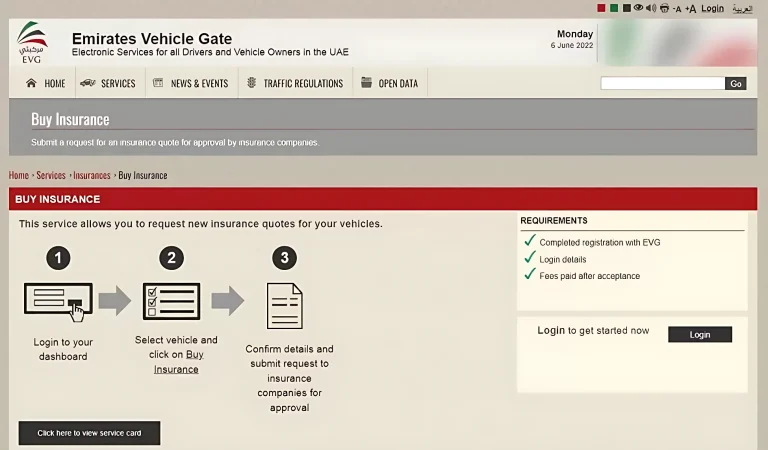
- Emirates Vehicle Gate (EVG): The EVG portal is your primary tool for used cars. It shows the vehicle’s history across all seven emirates using the chassis number.
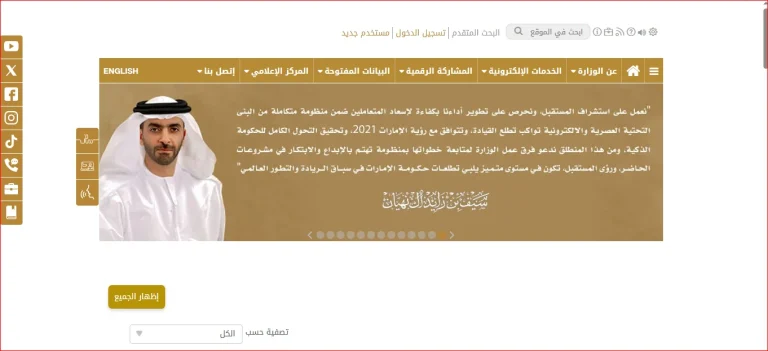
- Ministry of Interior (MOI): For drivers in Sharjah, Ajman, and the Northern Emirates, stick to the Ministry of Interior (MOI) portal. It is the most reliable place to check your black points and fines.
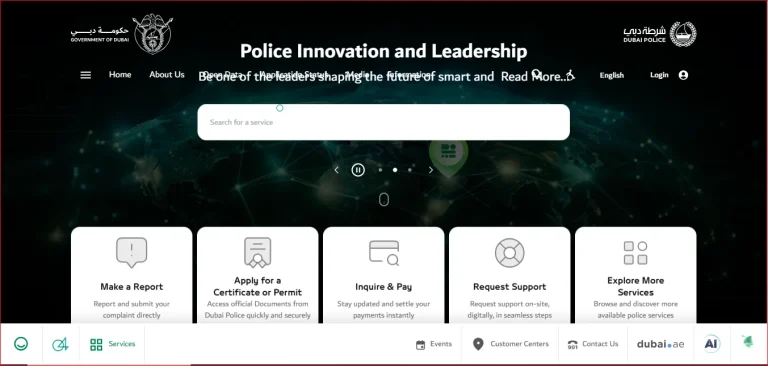
- Dubai Police & RTA: Essential for Dubai-registered cars to check Salik (toll) and parking violations.
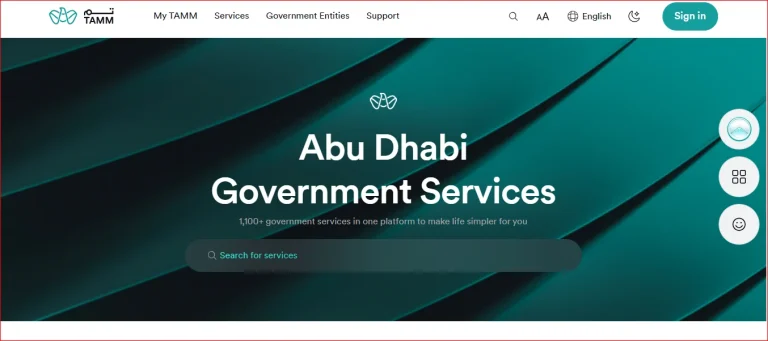
- Abu Dhabi Police & TAMM: The only way to see if a car is under a “smart impound” GPS lock in the capital.
How to Check EVG Fines Before Buying a Used Car
The EVG portal is the most powerful tool for any used car buyer. It tracks the car by its physical identity, not just its plate. This step really matters because while a seller can swap out plates, the chassis number never lies. Here’s how to do a full vehicle check the right way:
- Start with the Mulkiya: You can ask the seller for the registration card, and look for the 17-digit chassis number (that’s the VIN) and the traffic file number.
- Access the Portal: Just go to evg.ae and sign in using your UAE PASS. It’s the safest way to run an official check.
- Search by Chassis: Enter the VIN to see every fine ever linked to that specific car, regardless of the emirate where it occurred.
- The 72-Hour Rule: AI noise radars take 3 days to sync. Always perform a second check 3 days after your test drive to catch any new violations.
- Review Black Points: Check if any fines have “locked” black points. These must be cleared by the seller before the transfer can happen.
How to Check Fine Using Emirates ID Online
Regularly knowing how to check individual fines on Emirates ID accounts is a good habit for everyone in the UAE. It ensures you don’t have any surprises when you try to renew your visa or travel. The whole process is now digital and really easy to navigate.
- Open the Official App: Just grab your phone and open the MOI UAE app or the Dubai Police app.
- Sync with UAE PASS: Use your UAE PASS to log in; it’s by far the quickest and smoothest way to get started. It will automatically pull up all data linked to your Emirates ID.
- Navigate to Fines: Look for the “Fine Inquiry” tab. You can usually search by your ID number or your driving license number.
- Don’t Skip Any Type: Look over traffic, transport, and city fines to make sure there is nothing on the list.
- Settle Up Right Away: If you see any fines, pay them at once through the app so you don’t get late fees. Keep the digital receipt as proof. If you find a penalty that seems like a mistake, you have the option to dispute EVG traffic fines through official digital channels.”
Smarter Ways to Buy a Used Car in 2026
To get a great deal, you have to know the “unwritten” rules for this year. These are the things competitors don’t mention, but they can save you thousands of dirhams. These strategies turn a regular buyer into an expert.
The Black Point Transfer Trap
A seller might pay the fine but leave the black points “unassigned.” In 2026, these points don’t just disappear. If you aren’t careful, you might inherit them. Always insist on seeing a “Zero Point” certificate from the seller’s MOI app before finalizing the sale.
The Smart Impound GPS Lock
Many 2026 fines require the car to be impounded at the owner’s home. The car stays in the driveway with a GPS tracker. A car can have zero fines but still be “locked” for 30 days. You must check the impound eligibility on the police apps to ensure the car is actually free to drive.
The 35% Discount Negotiation
Abu Dhabi and Sharjah often offer a 35% discount for early payment. If you find a car with fines, don’t let the seller pay them. Just take the full fine amount off the car’s price and pay it yourself. That way, the 35% discount stays in your pocket as a little reward for being clever.
Conclusion: Making a Smart Purchase
Securing a reliable pre-owned vehicle in the UAE’s 2026 digital era is entirely dependent on your commitment to thorough research. By using the Emirates Vehicle Gate (EVG) and checking Emirates ID records, you protect your money and your legal standing. Never take a seller’s word at face value; always trust the digital data.
Make sure you check the chassis number, remember the 72-hour rule for the AI sync, and handle any black points before you put pen to paper. Stick to that, and you’ll dodge any nasty surprises. Then you can just relax and have fun with your new car.
(FAQs)
Why is it important to check and pay fines regularly?
It prevents late fees, credit score damage, and airport or visa renewal blocks.
Can the seller hide fines from me?
They cannot hide official fines on the EVG portal. However, they can hide “pending” AI fines that haven’t appeared yet. Always wait 72 hours for a final check.
What if the seller refuses to pay the fines?
You should deduct the fines’ costs from the sale price. When black points are part of the fines, the seller needs to put them on their license before anything else.
How can I check fines linked to my Emirates ID?
You can use the MOI app, the Dubai Police app, or any “Sahl” kiosk in a shopping mall. You only need your 15-digit EID number.
Are Salik toll charges included in the fine check?
No, Salik is separate. To be safe, just have the seller pull up their Salik app so you can see the balance for yourself. It’s the easiest way to check for any hidden toll charges.
What types of fines can I pay using my Emirates ID?
You can pay for traffic violations, parking, late ID renewals, and even 2026 AI-generated noise fines.
Is the EVG fine check report official?
Yes, it is the federal government’s official record and is accepted by all registration authorities in the UAE.